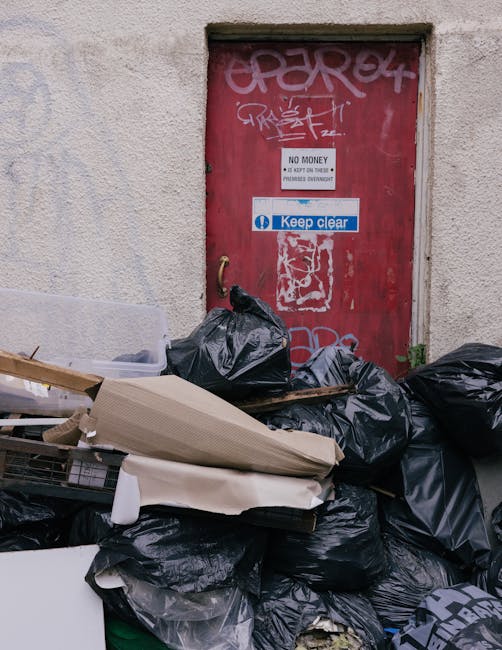
Lewisham garden rubbish clearance case study Brockley Blackheath
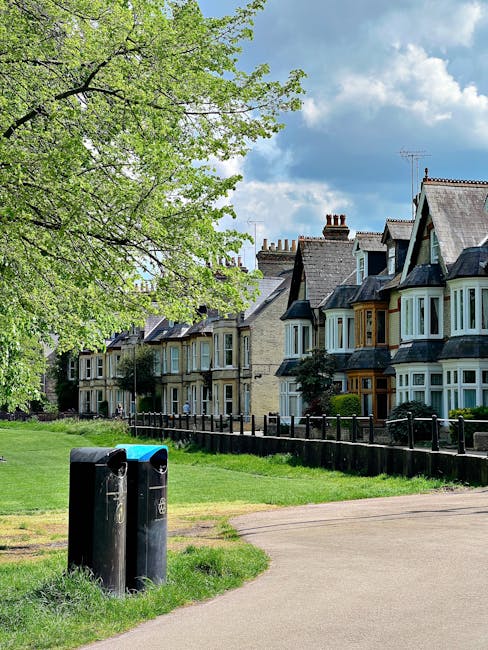
If you have ever stared at a garden full of cuttings, broken planters, old fence panels, and the odd bag of mystery rubbish, you will know the feeling. It is one of those jobs that looks manageable for about five minutes, then quickly turns into a mess of time, effort, and dust. This Lewisham garden rubbish clearance case study Brockley Blackheath looks at how a typical local clearance can be planned, handled, and completed in a way that is tidy, efficient, and sensible.
Whether you are dealing with post-pruning waste, a full garden overhaul, or a clearance after a move, the same basic rules apply: sort what can stay, remove what should go, and make sure the waste is handled properly. In practice, that means less stress, fewer trips to the tip, and a result you can actually enjoy. Let's break it down properly.
Why Lewisham garden rubbish clearance case study Brockley Blackheath Matters
Garden clearance is easy to underestimate. A pile of hedge cuttings and soil looks small from the patio, but once it is cut, bagged, lifted, and stacked, it suddenly grows legs. In Brockley and Blackheath, many homes have compact gardens, side access only, shared paths, or limited storage for waste, which makes a professional approach especially useful.
That is the real reason this topic matters: the issue is not just "getting rid of rubbish". It is about making the outdoor space usable again without creating a second problem in the process. A well-run clearance helps reduce trip hazards, improves access, and restores a sense of order. And to be fair, a clean garden changes how the whole property feels. You notice the light more. You hear the birds again. It sounds a bit poetic, but it is true.
There is also a broader practical side. Mixed garden rubbish can contain green waste, wood, old furniture, broken pots, bits of plastic, and sometimes even builders' debris from a landscaping job. If those materials are not separated intelligently, the job becomes slower, more expensive, and less sustainable. A good clearance plan keeps the waste stream organised from the start.
For local homeowners, landlords, and managing agents, that matters because delays tend to create knock-on issues. Overgrown outdoor space can make a property harder to present, harder to use, and less pleasant to maintain. For some people the job is urgent; for others it has been building for months. Either way, the outcome is the same: you want the space back.
If you are comparing services, it can help to review the site's general garden clearance service alongside related support such as waste removal and recycling and sustainability. That gives you a better sense of how mixed loads are usually handled.
How Lewisham garden rubbish clearance case study Brockley Blackheath Works
A good garden rubbish clearance is usually straightforward, but it is never just "turn up and load". The job works best when there is a clear process. Most local clearances follow the same broad sequence, even if the details change from one property to the next.
1. Initial review of the waste
The first step is understanding what is actually there. Green waste, soil, rubble, timber, old garden furniture, broken ornaments, and general rubbish all behave differently when loaded and transported. Some of it can be recycled, some needs separate treatment, and some needs careful lifting. A quick site review prevents awkward surprises later.
2. Access planning
Access is often the make-or-break point in Brockley and Blackheath. A terraced property with a narrow side return is a very different job from a driveway with easy vehicle access. The crew needs to think about carrying distance, gate width, floor protection, and how to avoid dragging waste through clean indoor areas. It sounds obvious, yet this is where a lot of time is won or lost.
3. Segregation and loading
Once the waste is checked, it is separated into manageable groups. Green waste may be stacked with other organic material. Reusable items can be kept aside if the customer wants them. Heavier objects, such as soil bags or old edging stones, are loaded with care so nothing shifts in transit. This is where experience counts a lot, because the difference between "tidy" and "chaotic" is often just a few minutes of sorting.
4. Removal and disposal
The waste is then removed for appropriate disposal or recycling. In a well-run job, the aim is always to divert as much as possible from landfill where practical. Garden waste is often bulkier than people expect, so efficient vehicle loading matters. Nobody wants three half-full runs when one well-organised load will do. That is just bad planning, really.
5. Final sweep and handover
The best clearances end with a proper sweep-up. Loose leaves, small twigs, broken plastic, and soil spillages should be cleared so the space is left usable. This final step is simple, but it makes a huge difference. A garden can look "half done" without it.
If the job also involves old fixtures, sheds, or household items stored in the garden, the team may need to coordinate with services such as furniture clearance, furniture disposal, or even garage clearance where the waste has spread beyond the garden itself.
Key Benefits and Practical Advantages
There are plenty of reasons people choose professional garden rubbish clearance instead of tackling it alone. Some are obvious, some are less obvious, and a few only become clear once the job is finished and the garden feels usable again.
| Benefit | What it means in practice | Why it helps |
|---|---|---|
| Time saved | No repeated trips, loading, or waiting around | You get the job finished faster and with less disruption |
| Safer handling | Heavy, awkward, or sharp items are moved properly | Reduces injury risk and damage to paths, walls, or gates |
| Cleaner finish | Waste is cleared and the area is swept through | The garden is immediately usable again |
| Better sorting | Different waste types are separated sensibly | Improves recycling and reduces avoidable disposal costs |
| Local efficiency | Access and transport are planned around the property | Less wasted effort, especially in tighter streets |
The practical advantage many people overlook is headspace. A cluttered garden can quietly drag on your mood. Once it is cleared, you stop thinking about it every time you look out of the window. That alone is worth a lot.
There is also the sustainability angle. If a provider has a clear approach to sorting and disposal, it is usually easier to keep organic waste separate from mixed rubbish and get the disposal route right first time. If that matters to you, it is worth reading the company's approach to recycling and sustainability.
Expert summary: The best garden rubbish clearance is not the fastest one on paper. It is the one that balances access, safety, sorting, and a proper finish. A tidy result with no mess left behind is the real benchmark.
Who This Is For and When It Makes Sense
This kind of clearance is useful for more people than you might think. It is not only for homeowners with an overgrown backyard. In practice, the need shows up in lots of ordinary situations, often at exactly the wrong time.
- Homeowners preparing to enjoy or renovate a garden after months of neglect.
- Landlords who need an outdoor area restored between tenancies.
- Letting agents handling end-of-tenancy outdoor waste or fly-tipped material.
- Busy families who have no time for multiple tip runs.
- Older residents who need the work done safely, without lifting strain.
- Gardeners and landscapers who finish a project with a large waste volume.
Sometimes the trigger is simple: the wheelie bin is full every week, the shed has collapsed, or the lawn has turned into a storage site for old pots and broken decking. Other times it is tied to a wider property clear-out. In those cases, the garden job may sit alongside home clearance or house clearance.
It makes sense when the waste volume is awkward enough that a normal household routine no longer works. If you are on your third bag of hedge trimmings and still only halfway through, that is usually your sign. No shame in that. Happens all the time.
Step-by-Step Guidance
If you want the process to feel calm rather than chaotic, it helps to break it down. Here is a practical way to plan a Lewisham garden rubbish clearance in Brockley or Blackheath without overcomplicating it.
- Walk the site first. Look at what needs to go, what should stay, and what needs special handling.
- Separate the obvious categories. Green waste, wood, soil, metal, plastics, and general rubbish should not all be treated the same.
- Check access routes. Measure gates, note steps, and think about where the team can safely carry items.
- Remove hazards early. Broken glass, nails, rusted wire, and hidden rubble should be picked out before the main loading starts.
- Protect surfaces if needed. Narrow paths, paving, and indoor thresholds can benefit from simple floor protection.
- Load in a sensible order. Heavy materials first, lighter waste later, loose items secured in between.
- Do a final sweep. Check corners, edges, under benches, and behind sheds.
That final sweep is the bit people often skip. Then they spot a rake handle or a bag of soil in the hedge border a day later. Annoying, but avoidable.
If the clearance forms part of a broader disposal job, it can be useful to review the provider's overall waste removal approach as well as how they handle pricing on larger or mixed loads through pricing and quotes.
Expert Tips for Better Results
Here are the things that make a noticeable difference in real life. None of them are flashy, but they save time and reduce friction.
- Book the job after you have finished pruning or cutting back. It sounds simple, but people often book too early and then generate more waste after the crew has left.
- Keep reusable items separate. A half-decent plant pot or usable timber should not be thrown in with mixed rubbish if it can be avoided.
- Use bags or containers that can be lifted safely. Overstuffed sacks become awkward and slow the job down.
- Be honest about soil and rubble. Heavy waste changes the load profile a lot, and it is better to say so upfront.
- Ask about recycling routes. You do not need a lecture, just a clear answer about how the waste will be handled.
- Think about what happens after clearance. If you are planning landscaping, mowing, or planting, clear the waste in a way that supports the next stage.
A small but useful tip: take a few photos before the job starts. Not for drama, just for clarity. It helps everyone agree what is going and what is staying. You will thank yourself later when there is no ambiguity.
And yes, if your garden has become part compost heap, part tool store, part "I'll deal with it next weekend", you are in very normal company.
Common Mistakes to Avoid
Most problems with garden rubbish clearance are preventable. The issue is usually not the waste itself, but the assumptions made before the job begins.
- Underestimating the volume. A few piles of cuttings can expand into several vehicle loads once sorted and compacted.
- Mixing every material together. This slows handling and can make disposal less efficient.
- Ignoring access issues. Narrow side passages and steps can completely change the time needed.
- Leaving sharp or heavy waste hidden in the pile. That is a safety issue, not just an inconvenience.
- Forgetting about weather. Wet soil and soggy green waste are heavier than they look. A damp morning changes everything a bit.
- Booking without a clear scope. If the job includes sheds, furniture, builders' debris, or loft overflow, say so from the beginning.
Another common one: people focus only on cost and ignore finish quality. Cheap is great until you are left with twigs in the borders and a bruised flowerbed. Then it is not really cheap anymore, is it?
Tools, Resources and Recommendations
You do not need specialist equipment to understand or plan a clearance well, but a few basic tools make the process smoother. If you are preparing the site yourself, the following are genuinely useful.
- Heavy-duty rubble sacks for small but dense waste.
- Garden gloves with decent grip for handling sharp or dirty items.
- Wheelbarrow or sack truck for moving heavier loads short distances.
- Tarpaulins to gather cuttings and prevent spread across paths.
- Pruning shears and loppers if you are reducing the volume before clearance.
- Dustpan and brush for the final tidy-up.
For planning, the most useful resources are usually the company pages that explain how they work. A sensible starting point is the main about us page, especially if you want to understand the service style and what kind of jobs are handled. If you want help discussing a specific clearance, the contact us page is the obvious next step.
For mixed outdoor waste, it can also help to compare the garden service with related support such as builders waste clearance if the garden works involved renovation debris, or garage clearance if the overflow has spread into storage areas.
Law, Compliance, Standards, or Best Practice
Garden rubbish clearance is not just a practical job; it also sits within normal UK waste-handling expectations. You do not need to become a compliance expert, but it helps to know the broad picture.
In general, waste should be carried, stored, and disposed of responsibly. If a clearance involves mixed materials, it should be handled in a way that supports safe transport and proper sorting. Green waste, soil, timber, and household rubbish should not be dumped carelessly together if better separation is possible.
For residents and property owners, the key best-practice points are simple:
- Use a provider that explains how waste is handled.
- Make sure access and lifting risks are considered.
- Keep records or confirmation where appropriate for property management.
- Avoid leaving waste in public areas or shared spaces for longer than necessary.
Where a garden clearance is part of a larger household move or estate job, services like flat clearance or loft clearance may become relevant too. Different waste streams, different risks, same principle: handle it properly from start to finish.
It is also sensible to check basic terms, safety, and payment information before booking. That is rarely exciting, granted, but it avoids surprises. If you want the small print, the site's terms and conditions, insurance and safety, and payment and security pages are the places to look.
Options, Methods, and Comparison Table
People usually choose between three broad approaches: do it yourself, book a partial clearance, or arrange a full professional removal. Each one has a place.
| Method | Best for | Pros | Trade-offs |
|---|---|---|---|
| DIY tip runs | Small, light loads with easy access | Can work well for minor jobs | Time-consuming, physically demanding, multiple trips |
| Partial clearance | Jobs where some sorting has already been done | Flexible, often efficient | Needs clear planning and good access notes |
| Full professional clearance | Large, mixed, or awkward garden waste | Fast, tidy, less lifting for the customer | Usually best value when volume or access becomes difficult |
If the waste is mainly soft green material and you have the time, a DIY approach can work. But once soil, wet cuttings, broken fence panels, or bulky items are involved, the job becomes a different animal. That is where a full clearance starts making more sense.
For many customers, the decision is not really about whether they could do it themselves. It is whether they want to spend the next two Saturdays doing it. Small difference, big feeling.
Case Study or Real-World Example
Here is a realistic example based on a typical local pattern, without inventing dramatic details.
A homeowner in the Brockley/Blackheath area had a rear garden that had collected several types of waste over time: hedge cuttings from seasonal trimming, a few bags of old soil, broken terracotta pots, weathered wood, and a couple of items that had been left outside too long and were no longer fit to keep. The garden was still usable, but only just. Walking across it felt clumsy, and the pile by the shed had begun to spread after a wet spell.
The first priority was access. The team checked the side return, noted the narrowest section, and planned a carry route that avoided squeezing waste through indoor rooms. The second priority was sorting. Green waste was separated from heavier or more awkward items, and the soil bags were treated as dense material rather than normal light garden waste. Sensible enough, but it makes all the difference.
Once the loading plan was set, the clearance moved quickly. The final sweep removed scattered twigs and loose debris around the borders. By the end of the visit, the garden was not landscaped or redesigned, but it was clean, walkable, and ready for the next stage. That is often the real win: not a perfect magazine garden, just a usable one again.
In cases like this, a provider that also offers house clearance or home clearance can be especially helpful if the outdoor job is part of a wider declutter. One visit, fewer handoffs. Less hassle all round.
Practical Checklist
Use this checklist before booking or starting a garden rubbish clearance. It keeps the job grounded and helps avoid awkward last-minute changes.
- Confirm what waste needs removing.
- Separate green waste from bulky mixed rubbish where possible.
- Check for soil, rubble, or heavy items.
- Measure gates, steps, and narrow access routes.
- Remove personal items or anything you want to keep.
- Note if the waste is wet, compacted, or overgrown.
- Identify sharp hazards such as wire, glass, or broken metal.
- Ask how the waste will be sorted or recycled.
- Check whether the job includes sweep-up and final tidy.
- Review pricing, payment, and terms in advance.
Small list, big payoff. Honestly, this is the kind of prep that saves the most time for the least effort.
Conclusion
A Lewisham garden rubbish clearance case study Brockley Blackheath is really a story about practical order. The work itself may be simple in principle, but the details matter: access, sorting, lifting, disposal, and the final finish. Get those right, and the garden stops being a burden and starts feeling like part of the home again.
For local properties, especially those with tighter access or mixed waste, the value of a well-organised clearance is hard to overstate. It saves time, reduces stress, and makes the space usable far sooner than a piecemeal DIY approach usually does. And if the job is part of a wider declutter, the right service can tie everything together neatly without drama.
Get a free quote today and see how much you can save.
Sometimes the most satisfying home improvement is the one that simply gives you your space back. Quietly, cleanly, and without fuss.
Frequently Asked Questions
What does garden rubbish clearance usually include?
It usually covers the removal of green waste, branches, hedge cuttings, leaves, soil, old plant pots, broken garden furniture, and other outdoor rubbish. The exact mix depends on the job, so it is always best to describe the waste clearly before booking.
Is garden clearance different from normal waste removal?
Yes, often it is. Garden waste is usually bulkier, lighter in some cases, and sometimes mixed with soil, timber, or outdoor furniture. A general waste removal job may be broader, while garden clearance is more focused on outdoor materials and access challenges.
How do I know if I need a full clearance or just a partial one?
If the waste is limited and already sorted, a partial clearance may be enough. If the garden is heavily overgrown, mixed with bulky items, or awkward to access, a full clearance is usually the calmer option. If you are unsure, that usually means the job deserves a closer look.
Can soil and rubble be taken with garden waste?
They can often be removed as part of the job, but soil and rubble are heavy and can change the load considerably. It is important to mention them in advance because they affect handling, vehicle loading, and cost expectations.
How long does a typical garden rubbish clearance take?
That depends on the volume of waste, access, and how mixed the materials are. A small tidy-up can be quick, while a larger overgrown garden with heavy items will naturally take longer. The key variable is usually access, not just volume.
Do I need to sort the waste before the team arrives?
Not always, but some basic sorting helps. Separating obvious green waste from bulky mixed rubbish can make the process smoother. If you cannot sort it, that is fine too; just be clear about what is there.
What should I do with items I want to keep?
Move them out of the way before clearance begins, or clearly mark them so they are not removed by mistake. It sounds basic, but you would be surprised how easy it is for a plant pot or patio chair to get folded into the "goes" pile.
Is this kind of clearance suitable for landlords and letting agents?
Yes. It is often used between tenancies, after garden neglect, or when outdoor waste has been left behind. In those cases, a tidy finish matters because the outdoor space is part of the property presentation.
What if the waste is wet or has been left out for a long time?
Wet waste is heavier and can be messier to handle, so it may take more effort to remove cleanly. If waste has been outside for a while, there may also be hidden debris underneath. It is worth mentioning this upfront so the job can be planned properly.
Is recycling part of garden rubbish clearance?
It should be wherever practical. Green waste, wood, and some other materials may be suitable for recycling or recovery routes, depending on how they are mixed. A responsible provider should be able to explain the general approach clearly.
Can garden clearance be combined with other household clearance work?
Yes, and that is often efficient. If you also need help with sheds, indoor storage, loft clutter, or old furniture, combining jobs can reduce disruption and keep the whole project moving in one go.
What should I check before booking a clearance service?
Check the waste types, access route, pricing expectations, payment terms, safety considerations, and whether a final sweep is included. If the company provides clear information on those points, that is usually a good sign.
Why is local knowledge useful in Brockley and Blackheath?
Because access, parking, property layouts, and street conditions can vary a lot in these parts of Lewisham. Local familiarity helps with planning, timing, and avoiding silly delays. Nothing magical, just practical experience.
What is the biggest mistake people make with garden rubbish clearance?
Underestimating how much waste there really is. A garden clear-up rarely stays small once you begin lifting and sorting. That is the moment where many DIY plans start to wobble a bit.
If you want to understand the company behind the service, have a look at the about us page, or move straight to contact us if you are ready to talk through your own clearance. When the garden is finally clear, even a small space can feel surprisingly generous. That part never gets old.