Garden clearance in Lewisham

Garden clearance in Lewisham should leave outdoor space tidy, workable and ready for whatever comes next, whether that means replanting, repairs or a full change of use. Our service focuses on clearing green waste, broken garden items and mixed outdoor debris in a careful, orderly way. We handle the practical side of the job so you can move from an overgrown or cluttered garden to a space that is easier to manage and simpler to use.
We clear typical garden waste such as branches, hedge cuttings, soil, leaves, old compost bags, damaged plant pots and weathered outdoor items that are no longer wanted. Where access is awkward or the clearance is more detailed, we can organise the work around the space available and the type of material involved. If you are comparing options, our garden clearance page sets out the core service in more detail, while this page explains how that service works for homes and properties across Lewisham.
The aim is straightforward: remove unwanted garden material in a way that is efficient, tidy and suited to the condition of the space. Some customers want help after pruning or seasonal maintenance, while others need a larger clear-out before landscaping or sale. Either way, the work is planned around the items present, so the resulting service stays practical rather than generic. If you already know the garden needs a clear-out, you can request a quotation as a first step and decide on the rest from there.
What our garden clearance service covers
Garden clearance can involve much more than taking away a few bags of clippings. A realistic job may include lifting loose waste from borders, gathering cut branches, separating recyclable green material from mixed rubbish and removing broken pieces that make the garden harder to use. We work with the material as it stands, rather than assuming the space is neat enough for quick collection, because many outdoor jobs need careful sorting before loading can begin.
That practical approach is useful where a garden contains a combination of organic waste and man-made items. Old timber planters, cracked fencing offcuts, worn bags of soil, damaged ornaments and tangled plant growth can all be part of the same clearance. Where helpful, we can also discuss waste removal for mixed loads that are not purely green waste, so the right disposal route can be chosen for the material on site. If you want to keep the job focused, start with a list of the main items and the parts of the garden that need attention.
Customers often find it helpful to sort the clearance into simple groups before the visit. A short list can make it easier to judge the scale of the work and the type of loading likely to be needed. Useful points to note include:
- loose green waste such as cuttings, branches and leaves
- heavier items such as soil, stones or broken containers
- old outdoor furniture, timber or general rubbish stored in the garden
Garden waste, bulky items and mixed outdoor clutter

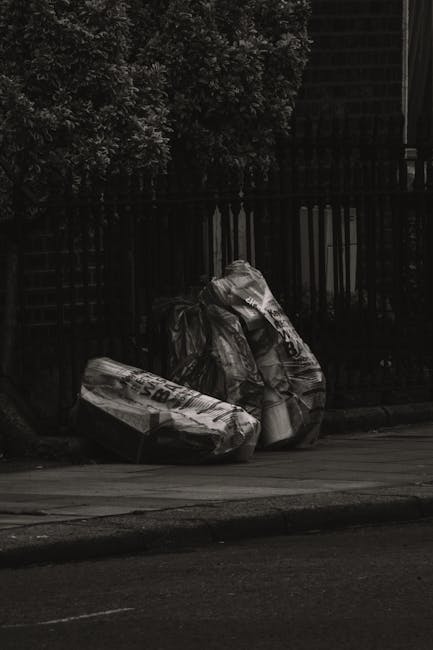
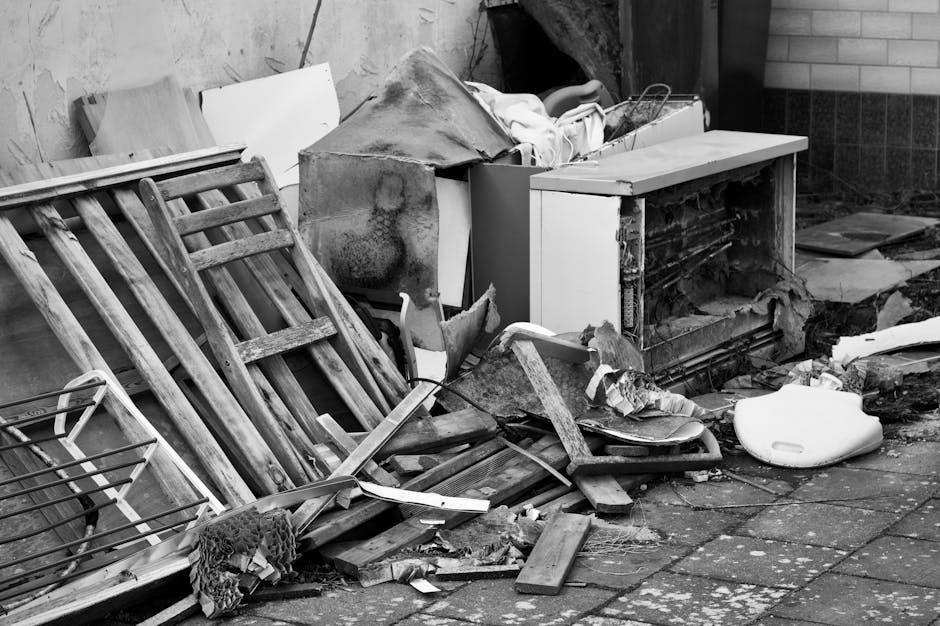
Not every garden clearance is limited to organic material. Many gardens also contain items that have been left outside for too long and now need to be removed with the waste itself. Broken chairs, torn covers, rusted tools, collapsed shelving and worn planters often build up beside the green waste, especially when the garden has been used for storage as well as growing. We can clear that kind of mixed outdoor clutter as part of a single, organised job.
For larger pieces, the work may need to be managed as a more substantial clearance rather than a simple bag collection. A damaged shed panel, old bench, unused children’s equipment or stacks of dry branches can all take time to sort and move safely. Where furniture forms part of the job, our furniture clearance page is a useful reference point, especially if the garden contains outdoor seating or other bulky pieces that need to be taken away alongside general waste.
Some gardens also include access routes that are narrow, uneven or partly blocked by the very items being removed. That does not necessarily make the job unsuitable, but it does mean the clearance should be approached with care and a sensible sequence. We aim to remove items in a way that avoids needless disruption to the rest of the property. If the outdoor space contains several types of waste, a clear description of the load helps us shape the quotation more accurately.
Preparing for a quotation
A clear quotation usually depends on the amount and type of material, how easy it is to reach, and whether the garden contains mainly green waste or a mixed load. If you are sending an enquiry, it helps to note the general size of the garden, the main items needing removal and whether any material is unusually heavy or awkward. Photographs can also be useful where they show the waste honestly and from a few different angles, particularly if the clearance covers more than one part of the property.
There is no need to overcomplicate that step. A short, factual description is often enough to begin with, and it can be followed up if extra detail is needed. If the job includes wider house contents as well as the garden, our home clearance service may be relevant, because some properties need both indoor and outdoor items dealt with together. The key point is to describe the scope plainly so the quotation reflects the real work rather than a rough guess.
Once the waste type and access are understood, the discussion can move on to timing and practical arrangements. You do not need a long explanation to get started. What matters is that the information is enough to show what is present, where it is located and whether the garden clearance is a single straightforward load or a broader clearance involving several material types. A concise enquiry is usually the most useful one because it gives a solid basis for the next step without adding unnecessary detail.
Outdoor spaces in Lewisham and how clearance can support them

Lewisham, in south-east London, is a borough shaped by a mix of busy town centres, residential streets and green spaces that range from pocket parks to larger historic parks. The area includes the long-established neighbourhood of Lewisham itself, as well as districts such as Brockley, Hither Green, Catford and Forest Hill, each with its own pattern of streets, housing and public space. The borough’s setting on the River Ravensbourne gives it a landscape that has historically been linked to waterways, industry and transport corridors, while everyday life is now defined by dense housing, local shopping streets and a strong connection to parks and community facilities.
Among the better-known open spaces are Blackheath, a wide expanse shared with neighbouring boroughs, and Lewisham Park, together with smaller commons and playing fields scattered across the area. Manor House Gardens in Lee remains one of the more notable landscaped spaces, while Deptford and the wider borough include traces of older development alongside newer housing and regeneration. Historic buildings and surviving civic architecture sit alongside modern apartments, high streets and railway infrastructure, creating a varied urban fabric. The result is a place where domestic gardens can be modest, mature, paved or layered with additions from different periods of use.
That mix of urban housing and accessible green space gives Lewisham a character that is both practical and well-used, with parks, streets and neighbourhoods closely interwoven. For residents and property owners, gardens may reflect many years of planting, storage or seasonal use rather than a single design. Clearing those spaces carefully means understanding the outdoor area as part of a broader residential landscape. The borough’s size, transport links and long history make it one of London’s more distinctive south-east districts, with local life continually shaped by the balance between built environment and open space.
How we handle different garden materials
Different materials call for different handling, and that is one reason garden clearance is rarely a one-size-fits-all task. Green waste can often be separated from general rubbish, while heavier or denser items may need a different approach to loading and disposal. Wet leaves, compacted soil and tangled cuttings can take up more space than expected, so the practical volume of the job matters as much as the visual amount. We account for that when planning the clearance, especially where the garden has been neglected for a while.
We also consider items that are outside but not strictly garden waste. Old pots, damaged ornaments, tired fencing, timber offcuts and similar items often sit alongside the organic material, turning a simple cut-and-collect job into a broader outdoor clearance. Where the garden includes larger domestic pieces, our flat clearance page may be relevant for customers who need indoor and outdoor waste handled together at a property with limited storage space or shared access.
In practical terms, a well-run clearance depends on separating what can be moved efficiently from what needs extra care. A spadeful of soil, for example, is very different from a bag of leaves or a broken chair frame. By matching the handling method to the material, the job stays orderly and the garden is left ready for its next use. That kind of approach matters whether the aim is seasonal tidy-up, pre-sale presentation or a complete reset of the space.
Access, loading and site conditions
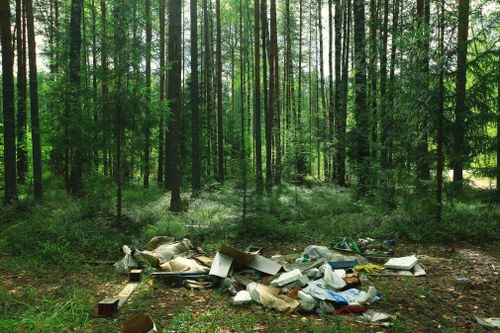
Garden clearance often takes place in spaces that are not designed for easy loading, so access is a central part of the work. Narrow side passages, steps, shared entrances, rear lanes and partially overgrown paths can all affect the pace and sequence of the clearance. We take those conditions into account when planning how items will be moved, because the route matters almost as much as the waste itself. A garden that is difficult to reach may still be perfectly workable if the clearance is organised sensibly.
Where several kinds of material are present, the loading order can make the whole job easier. Lighter material may be gathered first, leaving space for heavier items, while bulky objects can be separated so the work stays manageable. That is especially relevant in gardens where waste has accumulated in layers over time. If the garden contains an old shed, a stack of timber or long-unwanted furniture, the garage clearance page may also be helpful, because many properties need the same attention in external storage areas as they do in the garden itself.
Practical site conditions can also affect what needs to be quoted for. A clearance through a short, open route is very different from one that requires careful carrying across a confined or obstructed space. The best results usually come from a balanced description of the waste, the access and any items that might need separate handling. That gives a clearer picture of the work and reduces confusion later on. If the space is awkward, the job can still often be approached in a measured way.
Garden clearance alongside other property clearances
Many customers do not have a garden-only problem. They may be dealing with loft clutter, indoor furniture, accumulated storage or a property that needs several areas cleared at once. In those situations, it helps to think about the whole site rather than treating each area as a separate issue. We can discuss how the garden fits alongside other parts of the property, and whether the work should be arranged as one visit or split into stages according to access and load type.
That is one reason service pages can be useful when comparing different parts of a clearance plan. If the job extends beyond the garden into indoor storage or household waste, the house clearance page can provide a broader reference point. If it is mainly a matter of loose materials and unwanted outdoor items, then the garden can usually be handled as a focused clearance in its own right. The right route depends on what is actually present, not on a preset package name.
Clear instructions make the work easier to match to the property, especially when there are several areas in play. A short note about what is staying, what is going and which parts of the site are involved is usually enough to start the conversation. That keeps the process practical and helps prevent overlap between separate clearances that could be handled together more efficiently.
Recycling, reuse and disposal choices

Responsible garden clearance is not only about removing items from sight. It also involves sorting material so that what can be recycled or separated is treated appropriately. Green waste, where suitable, may be handled differently from mixed rubbish, and reusable or recyclable materials should not be thrown together without thought. We keep that distinction in mind during the clearance, because the way waste is grouped at collection stage affects what can happen next. A careful sort at the property supports a more orderly disposal process.
Where customers are interested in how different waste streams are managed, our recycling and sustainability page gives a broader view of that side of the service. It is often relevant when gardens contain a mixture of cuttings, timber, plastic pots, metal items and general outdoor rubbish. Knowing that these materials are not all handled in the same way can help people decide which items to separate before the job begins and which can simply be left together for assessment.
Good disposal choices begin with clear sorting. When waste is divided sensibly at the start, the clearance can move more smoothly and the final result is easier to manage. That is useful for small domestic gardens as well as larger overgrown spaces, because the principle is the same: keep the work practical, avoid unnecessary mixing of material and aim for a clean finish that reflects the real condition of the site.
Requesting a quotation for garden clearance
If you are ready to compare options for garden clearance in Lewisham, the next step is to ask for a quotation based on the actual waste and access conditions. It helps to mention whether the garden contains mainly cuttings, whether there are bulky items involved and whether the space is easy to reach. That gives a grounded starting point for pricing and helps ensure the response reflects the job accurately. A good quotation should be specific to the work, not just the word “garden†alone.
For customers who want to review the broader pricing approach, our pricing and quotes page is a sensible place to look before sending details. If you are ready to make contact, contact us with a short description of the clearance and the location of the waste, and we can take it from there. A concise enquiry is usually enough to begin the process, especially where the garden includes a straightforward mix of outdoor waste and bulky items.
Whether the job is a simple seasonal tidy or a more involved clear-out, the aim remains the same: to leave the garden ready for its next stage. If you have unwanted material building up outside, now is a good time to request a quotation. A clear description of the space, the waste and any access points will make the conversation easier and help turn the enquiry into a workable plan.